
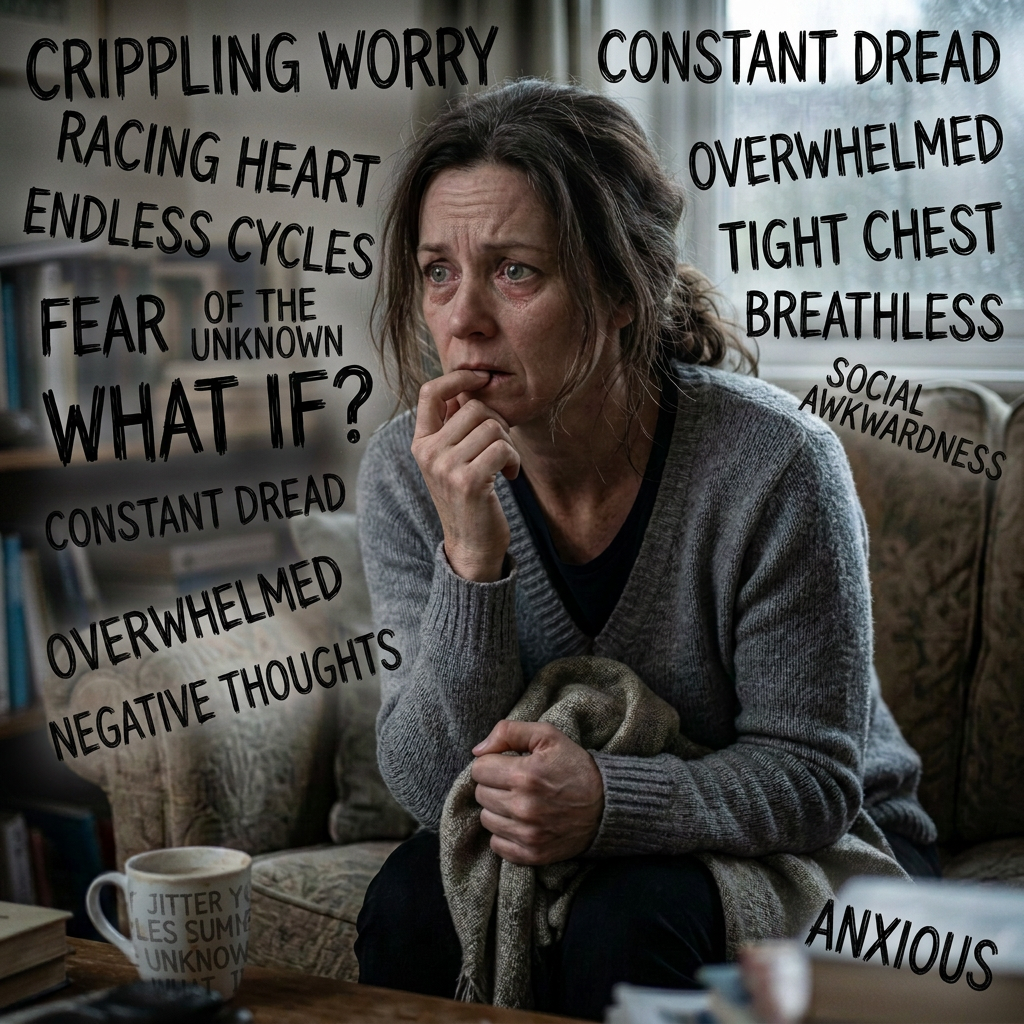
Yes—and if you’ve been feeling more worried, restless, or “on edge” than usual in your 40s, 50s, or beyond, you’re far from alone.
Hello, fabulous ladies. I’m Shanelle, RN, and this is one of the questions that comes up often in our community. Many of us expect the hot flashes, the night sweats, and the sleep disruption. Fewer of us are prepared for the sudden waves of anxiety that can arrive during perimenopause and menopause—even if we’ve never been particularly anxious before.
Why it happens
During the menopause transition, estrogen and progesterone levels fluctuate and eventually drop significantly. These hormones don’t just regulate your cycle—they influence brain chemicals that help keep mood steady, including serotonin, GABA, and others involved in calming the nervous system.
When those levels shift, your brain can become more sensitive to stress. At the same time, common physical symptoms—hot flashes, night sweats, and poor sleep—create a feedback loop that amps up feelings of anxiety. Midlife stressors (caregiving, work changes, aging parents, or simply reflecting on this new chapter) can layer on top of the hormonal shifts.
Research consistently shows higher rates of anxiety symptoms during perimenopause and postmenopause compared with the years before. For some women it’s mild and comes and goes. For others it feels more intense—racing thoughts, heart palpitations, a sense of dread, irritability, or even panic-like episodes.
What it can feel like
- Feeling tense, restless, or “wired”
- Worrying more than usual, even about small things
- Trouble relaxing or quieting your mind
- Physical sensations that mimic anxiety (heart racing, sweating, muscle tension) that may be tied to hot flashes
- Sleep problems that make everything feel harder the next day
- Irritability or sudden mood shifts
These symptoms are real. They’re not “all in your head,” and they don’t mean you’re somehow failing at this stage of life.
What helps
The good news is that menopause-related anxiety is highly manageable, and many women feel significant relief once they understand what’s happening and take steps to support themselves.
Lifestyle foundations that make a difference:
- Prioritize sleep as much as possible (cool, dark room; consistent bedtime; limiting caffeine and alcohol later in the day).
- Move your body regularly—walking, strength training, yoga, or dancing all help regulate mood and stress hormones.
- Practice simple calming techniques: deep breathing, short meditation, or even a few minutes of quiet with your pet or a cup of tea.
- Nourish yourself with steady blood sugar (protein + fiber at meals) and stay hydrated.
When you need more support: Talk with your healthcare provider. Options can include:
- Cognitive behavioral therapy (CBT) or other talk therapy, which is very effective for anxiety.
- Certain antidepressants (SSRIs or SNRIs) that can help both mood and hot flashes.
- Menopausal hormone therapy (MHT/HRT) in appropriate candidates, which may improve anxiety by stabilizing hormones and reducing disruptive physical symptoms.
- Evaluation for other contributors (thyroid issues, sleep apnea, etc.).
You don’t have to “just tough it out.” Anxiety that interferes with your days or nights deserves attention the same way hot flashes or joint pain do.
You’re still flourishing
This chapter can feel turbulent, but it is also a time when many women reclaim clarity, boundaries, and a deeper sense of themselves. Understanding that anxiety can be a menopausal symptom is the first step toward managing it—and getting back to feeling more like you.
If this resonates, you’re in good company here. Drop a comment and share what’s helped you, or simply know that you’re not navigating this alone.
With care and encouragement,
Shanelle, RN
50+ and Flourishing 💕
This post is for educational purposes and is not a substitute for personalized medical advice. Please consult your healthcare provider about your symptoms and treatment options.





Leave a Reply