

Hello, dear friends,
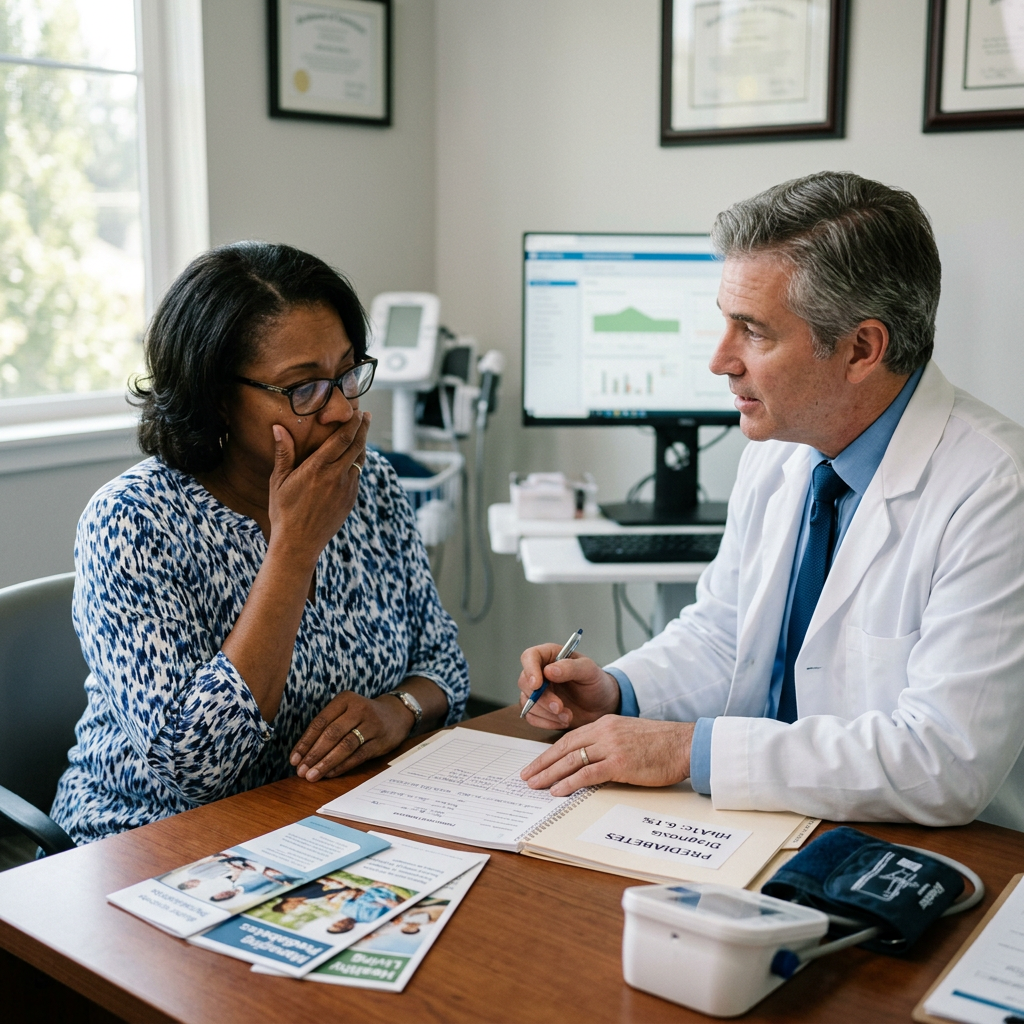
If you’ve just received a pre-diabetes diagnosis, I want you to take a deep breath with me. I know that label can feel alarming — especially when you’re already navigating so many changes. Many women in our community have sat in that same chair, staring at lab results, wondering what it means for their future.
I received my pre-diabetes diagnosis in my 40s. I started walking short distances, increasing the distance over time, until I was walking 3 miles per day. I stopped drinking sodas and within a few months my numbers were within normal range.
Part of the catalyst for my blog was the lack of information I received when I was given the pre-diabetes notice. I was told I was pre-diabetic, to watch my sugar intake and an exercise program would me good. I was also told to monitor my glucose at home, but was not given any other information. I was just sent out the door. I had so many questions. Did it mean I would always be pre-diabetic? If my numbers were normal, did that mean I no longer had the condition? Did I need a special diet? What glucose reading was too high? What was normal?
I’m here to walk through this with you gently and clearly, the way I would if we were sitting together with a cup of tea.
What Is Pre-Diabetes?
Pre-diabetes is when your blood glucose (sugar) levels are higher than normal, but not high enough to be diagnosed as type 2 diabetes.
Common numbers your doctor may have shared:
- A1C: 5.7% – 6.4%
- Fasting blood glucose: 100 – 125 mg/dL
- Oral glucose tolerance test: 140 – 199 mg/dL
What Does It Mean to Be Pre-Diabetic?
It’s basically an early warning signal from your body that your insulin is starting to have trouble doing its job. The good news? Pre-diabetes is highly reversible. It does not mean you already have diabetes. It means you have time to make changes before it progresses.
However, it does increase your risk for:
- Developing type 2 diabetes (without changes, about 1 in 3 people with pre-diabetes will develop diabetes within 5 years)
- Heart disease and stroke
- Fatigue, brain fog, and other subtle symptoms
After menopause, many women become more insulin resistant due to lower estrogen levels, which is why pre-diabetes becomes more common in our 50s and 60s.
The hopeful part? Studies show that lifestyle changes can bring blood sugar back to normal range for up to 58% of people — sometimes within months.
What Should You Do Now?
Here’s your compassionate, practical game plan:
- Don’t panic — take action This is one of the best wake-up calls you can get because the changes that help pre-diabetes also help your energy, mood, sleep, and overall health.
- Focus on sustainable changes (not perfection)
- Movement: Aim for 150 minutes of moderate activity per week (brisk walking is excellent). Even short walks after meals can lower blood sugar.
- Eating: Reduce refined carbs and sugars. Focus on protein, healthy fats, fiber-rich vegetables, and balanced plates. Many women do well with a lower-carb Mediterranean-style approach.
- Weight loss: Losing just 5–10% of your body weight can dramatically improve blood sugar.
- Sleep: Poor sleep worsens insulin resistance. Prioritize consistent, quality rest.
- Stress: Chronic stress raises blood sugar. Gentle practices like walking, prayer, or deep breathing help.
- Work closely with your doctor Ask for clear targets for your A1C and blood sugar. You may need follow-up labs in 3–6 months. Some women benefit from metformin, but many can manage with lifestyle alone.
- Build support Track your numbers, find an accountability partner, or join a gentle diabetes-prevention program (many are covered by insurance).
You’ve Got This — One Step at a Time
Sweet friend, a pre-diabetes diagnosis does not define you. It’s simply information — and now you have the power to respond with love and wisdom for your body. So many women in our community have reversed their numbers and gone on to feel stronger and more energetic than they had in years.
You are already flourishing by seeking information and wanting to take care of yourself. That matters.
I’d love to hear from you in the comments: Have you been diagnosed with pre-diabetes? What questions are you carrying right now? What’s one small change you’re thinking of making? Leave a comment and join our email list and subscribe, and we’ll send you a free PDF describing tests that are used to diagnose diabetes, what the test results mean, and a pre-diabetes handout.
With warmth, encouragement, and understanding,
Shanelle, RN 50+ and Flourishing 💕





Leave a Reply