
Have yWhy Am I Suddenly So Forgetful After 50? A Nurse Explains What’s Normal, What’s Not, and What You Can Do About It
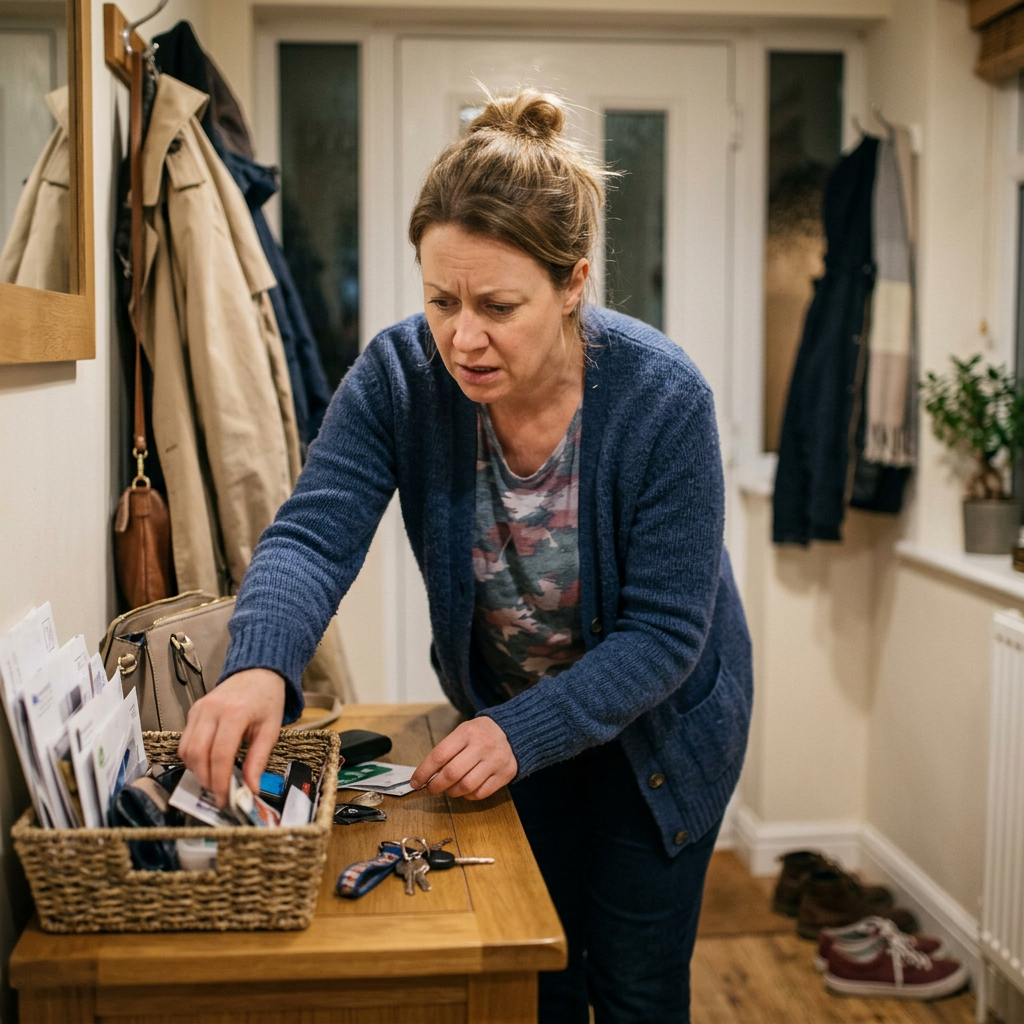
Have you ever walked into a room and completely forgotten why you went there? Or stared at someone you’ve known for years and suddenly couldn’t remember their name? If you’re over 50 and wondering, “Why am I suddenly so forgetful?” you’re not alone. It’s one of the most common concerns women bring up during midlife and beyond. As a nurse—and as a woman who has experienced a few of these moments myself—I understand why it can feel unsettling.
The good news is that occasional forgetfulness is often a normal part of aging. The National Institute on Aging explains that healthy aging can affect how quickly we retrieve information, making it take longer to remember names, facts, or where we left our reading glasses. Last week my husband found a half eaten bag of chips in the refrigerator. That doesn’t necessarily mean there’s a serious problem.
The challenge is knowing the difference between normal forgetfulness, menopause-related brain fog, and memory changes that deserve medical attention.
Is Forgetfulness After 50 Normal?
In many cases, yes.
As we age, the brain changes just like the rest of the body. You may notice that it takes a little longer to learn new information or recall something you know. According to the National Institute on Aging, occasional forgetfulness, misplacing items, or needing more time to remember information are common age-related changes.
Examples of normal forgetfulness include:
Walking into a room and forgetting why you went there.
Misplacing your glasses or keys occasionally.
Forgetting a name but remembering it later.
Missing an appointment once in a while.
Searching for a word that’s “on the tip of your tongue.”
What matters is whether those memory slips interfere with your ability to function independently.
Why Does Forgetfulness Seem Worse After Menopause?
This is where many women find reassurance.
Difficulty concentrating, memory lapses, and “brain fog” are common during the menopause transition and in the years that follow. The Menopause Society notes that cognitive changes during midlife are often influenced by hormonal shifts, sleep disturbances, mood changes, and stress rather than by dementia.
Research has shown that women may experience small but measurable declines in memory performance during perimenopause and menopause. Fortunately, these changes usually remain within normal limits and do not progress to dementia for the vast majority of women.
In other words, that frustrating brain fog is real—but it’s usually not a sign that you’re developing Alzheimer’s disease.
Other Common Causes of Forgetfulness
One of the biggest mistakes we make is assuming every memory lapse is caused by aging.
As a nurse, I’ve learned that memory changes often have several contributing factors.
Poor Sleep
If you’re waking up from hot flashes, night sweats, insomnia, or sleep apnea, your brain isn’t getting the restorative sleep it needs to form and store memories effectively.
Stress and Mental Overload
Many women over 50 are managing careers, caring for aging parents, helping adult children, supporting grandchildren, and running households. Chronic stress can affect concentration, attention, and memory.
Medications
Certain medications, including some sleep aids, allergy medications, and prescription drugs, may contribute to forgetfulness or difficulty concentrating.
Medical Conditions
Several health conditions can affect memory, including:
Vitamin B12 deficiency
Thyroid disorders
Depression
Anxiety
Diabetes
Sleep apnea
The National Institute on Aging recommends discussing new memory concerns with your healthcare provider because many of these causes are treatable.
When Should You Be Concerned?
This is the question many women really want answered.
Forgetfulness becomes more concerning when it begins interfering with everyday life.
The National Institute on Aging and the CDC both suggest talking with a healthcare professional if you notice symptoms such as:
Asking the same questions repeatedly.
Getting lost in familiar places.
Difficulty following recipes or directions you’ve used for years.
Trouble managing finances or paying bills.
Increasing confusion about dates, times, or locations.
Difficulty carrying on conversations.
Significant changes in judgment or decision-making.
A helpful rule of thumb is this:
Normal aging may cause occasional forgetfulness. Dementia affects daily functioning.
That’s an important distinction.
What You Can Do to Support Your Memory
Although none of us can stop aging, there are evidence-based ways to support brain health.
Stay Physically Active
Regular exercise improves blood flow to the brain and may help maintain cognitive function as we age.
Prioritize Sleep
Aim for seven to eight hours of quality sleep whenever possible. Poor sleep affects attention, concentration, and memory formation.
Keep Learning
The National Institute on Aging encourages activities that challenge the brain, such as learning a new skill, reading, taking classes, or engaging in mentally stimulating hobbies.
Stay Socially Connected
Maintaining friendships, volunteering, joining groups, and spending time with family may help support cognitive health. The Menopause Society lists social engagement as one of the lifestyle factors associated with healthier brain aging.
Manage Cardiovascular Risk Factors
Conditions such as high blood pressure, diabetes, and high cholesterol don’t just affect your heart—they can affect your brain as well.
Use Memory Tools
Calendars, reminder apps, notebooks, and sticky notes aren’t signs of failure. They’re practical strategies that many highly functioning people use every day.
A Little Encouragement From One Friend to Another
If you’ve noticed yourself becoming more forgetful lately, try not to jump immediately to the worst-case scenario. Most memory lapses after 50 are related to normal aging, menopause, stress, sleep issues, or other manageable factors—not dementia. The fact that you’re paying attention to your health is a good thing.
At the same time, don’t ignore changes that seem unusual or are affecting your daily life. Getting evaluated doesn’t mean something is wrong. It means you’re taking good care of yourself.
Our brains continue to learn, adapt, and grow throughout our lives. So if you walked into the laundry room and forgot why you went there, give yourself a little grace.
And if you remember why you went in there three minutes later? You’re probably doing just fine.
What have your experiences been with forgetfulness and how did they make you feel? Share in the comments and join our email list.
Shanelle, RN
50+ and Flourishing

Disclaimer
This article is for educational and informational purposes only and is not intended as medical advice. Although I am a registered nurse, the information shared here is general in nature and should not replace advice from your healthcare provider. Always consult your physician or other qualified healthcare professional regarding any questions or concerns about your health, memory changes, medications, or medical conditions. Never ignore professional medical advice or delay seeking care because of something you have read on this blog.
Resources
National Institute on Aging. Memory Problems, Forgetfulness, and Aging.
The Menopause Society. Memory and Cognition During Menopause.
Centers for Disease Control and Prevention. Signs and Symptoms of Dementia.





Leave a Reply