

When Everyday Aches Won’t Quit: Could Turmeric Be Your Gentle Ally?
Hello friend, let’s be real for a second. Those nagging aches and pains—the stiff knees in the morning, the lower back that protests after a long day, or the general creakiness that seems to come with… well, living—can wear you down. We’ve all been there, reaching for the usual pain reliever out of habit, only to wonder if there’s a gentler way to support our bodies without the side effects that sometimes tag along.
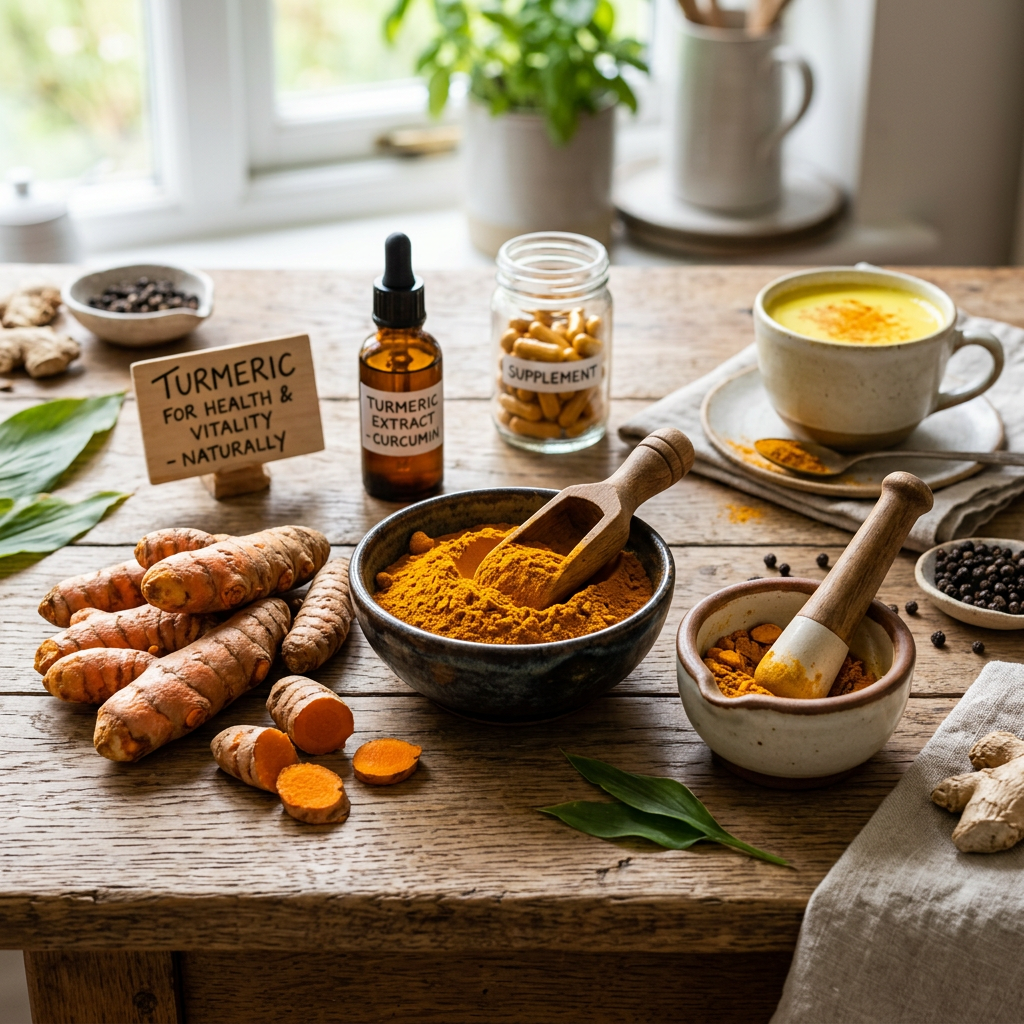
Enter turmeric. That vibrant golden spice sitting in your kitchen cabinet isn’t just for curries anymore. For centuries, traditional healers have turned to it for its warming, soothing qualities. Today, modern research is catching up, shining a light on why turmeric (and its star compound, curcumin) might offer real relief for everyday aches and inflammatory pain. Let’s dive in—no hype, just honest talk about what the science suggests and how you might weave it into your routine.
Why Do We Hurt? A Quick (and Kind) Look at Aches and Pain
Pain is your body’s way of waving a flag. Acute pain—like after tweaking a muscle—serves a purpose. But chronic or recurring aches often tie back to inflammation, that internal fire your immune system lights up in response to stress, overuse, aging joints, or even diet and lifestyle factors.
When inflammation lingers, it can lead to stiffness, swelling, and that deep, tired ache in joints or muscles. Many of us reach for nonsteroidal anti-inflammatory drugs (NSAIDs) like ibuprofen for quick relief. They work by dialing down certain inflammatory pathways, but long-term use can come with gut irritation, kidney concerns, or other trade-offs. That’s where a more holistic approach starts to feel appealing—supporting the body’s natural balance instead of just quieting the alarm.
Turmeric’s Secret Weapon: Curcumin and Its Anti-Inflammatory Powers
Turmeric (Curcuma longa) gets its bright color and much of its reputation from curcumin, a bioactive compound with impressive antioxidant and anti-inflammatory properties. Curcumin appears to interact with multiple pathways in the body.
In simpler terms? It may help calm the internal storm without the harsh shutdown of pharmaceutical options.
What does the research actually say? Several reviews of randomized controlled trials have found that turmeric extracts or curcumin supplements can reduce pain and improve function in people with knee osteoarthritis—often showing benefits comparable to NSAIDs like ibuprofen or diclofenac, but with fewer reported gastrointestinal side effects in the studies. Participants typically noted less pain, better mobility, and improved daily function after 8–12 weeks of consistent use.
Similar encouraging patterns have emerged for other types of joint discomfort and even exercise-related muscle soreness. One thing researchers consistently highlight: plain turmeric powder from your spice jar contains relatively low amounts of absorbable curcumin, so concentrated extracts (standardized for curcuminoids) tend to perform better in studies.
It’s not a miracle cure, and results vary person to person—some feel noticeable relief, others subtler support. But the overall picture suggests turmeric can be a thoughtful addition to a pain-management toolkit, especially for those seeking natural options.
How to Bring Turmeric Into Your Life (Practically and Pleasantly)
You don’t need to overhaul your routine to give turmeric a try. Here are some approachable ways:
1. In Your Food (The Everyday Win) Add fresh or ground turmeric to golden milk (warm milk or plant-based alternative with a teaspoon of turmeric, black pepper, ginger, and a drizzle of honey), soups, roasted veggies, smoothies, or scrambled eggs. A pinch goes a long way for flavor and gentle daily support. Pro tip: Pair it with black pepper—piperine in pepper can boost curcumin absorption by up to 2000%.
2. Supplements (When You Want More Targeted Support) Look for high-quality curcumin extracts, ideally with enhanced bioavailability (such as those combined with piperine, phospholipids, or other delivery systems). Common studied doses range from 500–1500 mg of curcumin per day, often split into 2–3 doses, taken with food. The Arthritis Foundation has suggested around 500 mg of curcumin extract twice daily for joint symptoms as a starting point.
Start low and listen to your body. Many people notice benefits after a few weeks of consistent use.
3. Topical Options Some folks swear by turmeric pastes or creams for localized aches, though evidence here is more limited than for oral use.
A Few Gentle Cautions
Turmeric is generally well-tolerated, but higher doses (especially in supplement form) can cause mild stomach upset, nausea, or diarrhea in some people. Very high amounts or long-term use warrant caution, and certain bio-enhanced formulations have occasionally been linked to liver concerns—though this is rare.
It’s wise to chat with your doctor before starting supplements, especially if you’re pregnant, breastfeeding, on blood thinners, have gallbladder issues, or take other medications. Turmeric can interact with some drugs, and it’s always better to personalize rather than guess. You can ask your pharmacist if adding turmeric to your existing medication regimen would cause any unwanted interactions.
And remember: Natural doesn’t automatically mean risk-free. The goal is support, not self-treatment for serious conditions.
A Bigger Picture Approach to Feeling Better
Turmeric shines brightest when it’s part of a holistic lifestyle. Pair it with anti-inflammatory eating (think colorful veggies, fatty fish, nuts, and berries), gentle movement like walking or yoga, good sleep, stress management, and staying hydrated. Addressing the root contributors often amplifies the benefits of any single remedy.
Many people who incorporate turmeric report not just less pain, but a subtle sense of warmth and vitality—like their body is getting a daily hug from the inside.
Final Thoughts: A Golden Invitation
If aches and pains have been stealing your joy or limiting your days, turmeric offers a time-tested, research-supported avenue worth exploring. It’s not about replacing medical care but complementing it—giving your body natural tools to quiet inflammation and move more freely.
Have you tried turmeric for pain relief? I’d love to hear your experience in the comments—what worked, what didn’t, or any favorite recipes. Sharing stories helps us all learn and feel a little less alone on this wellness journey.
Here’s to moving with more ease and embracing the simple, golden things that support us.
With warmth,
The 50+ and Flourishing Team






Leave a Reply