
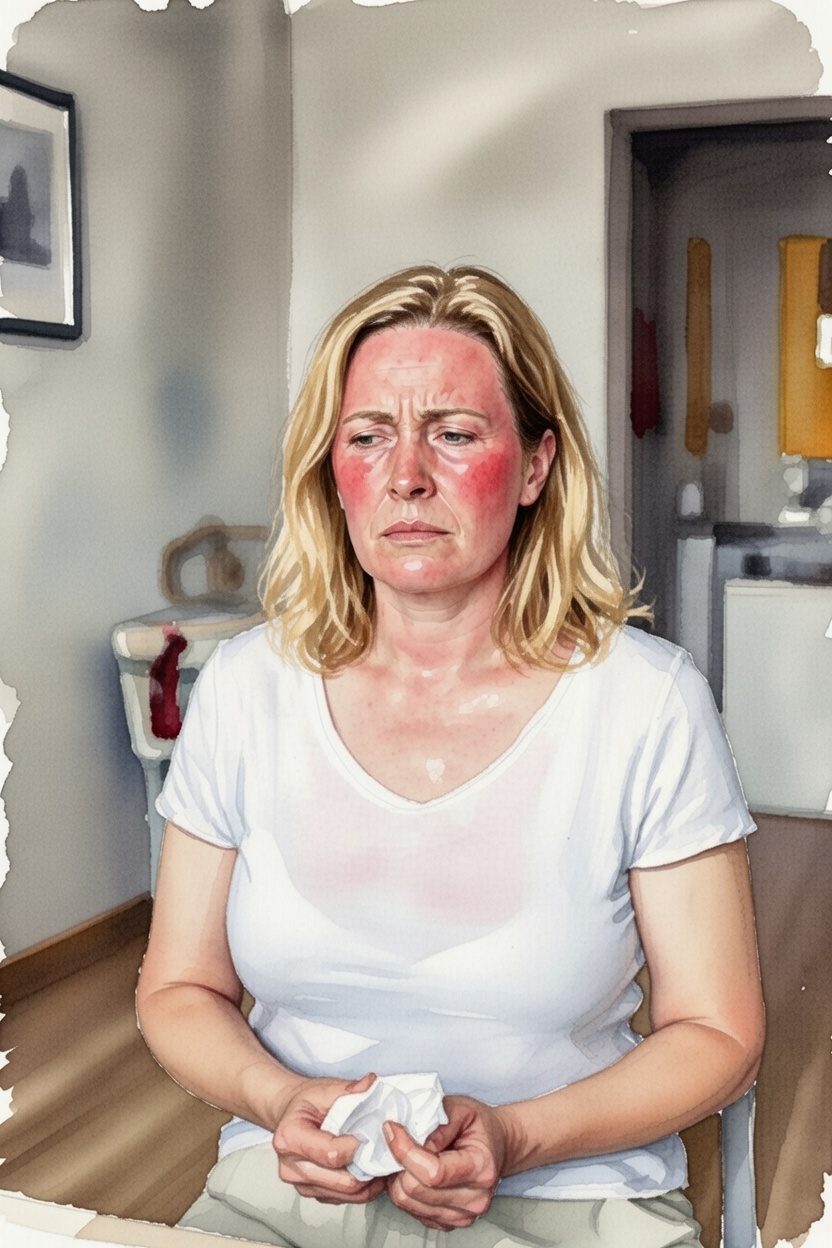
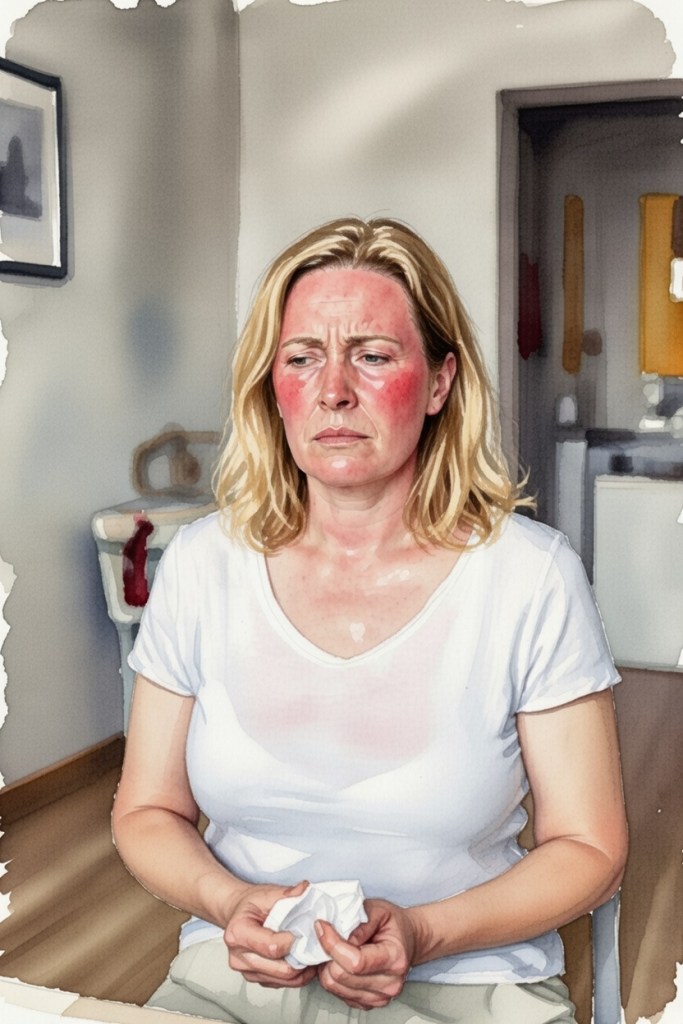
Hey fabulous ladies over 50! If you’ve reached postmenopause (that glorious stage where you’ve gone a full 12 months without a period), you might think the emotional rollercoaster is finally over. But surprise—those mood swings, irritability, anxiety, or even sudden tears can linger or pop up unexpectedly. You’re not alone, and it’s not “all in your head.” It’s often tied to the lasting effects of hormonal shifts, sleep disruptions from lingering hot flashes, or just the big life changes that come with this chapter.
The good news? Postmenopause is a time of wisdom, freedom, and fabulousness—and we can tame those moods with some smart, empowering strategies. Here’s how to reclaim your emotional balance while embracing this vibrant phase of life.
1. Understand What’s Happening (Knowledge is Power)
Estrogen levels have stabilized at a lower point, but the drop can still affect brain chemicals like serotonin (your “happy hormone”). This might lead to moodiness, anxiety, or low moods. Add in factors like stress, life transitions (empty nest, career shifts), or even sleep issues, and it’s no wonder emotions feel unpredictable. Remember: These aren’t signs of weakness—they’re biology. Acknowledging that is the first step to feeling in control.
2. Prioritize Movement—Your Natural Mood Booster
Regular exercise is one of the most effective ways to steady your emotions. Aim for 30 minutes most days—think brisk walks, yoga, swimming, or dancing to your favorite tunes. Physical activity releases endorphins, improves sleep, and even helps with any remaining hot flashes that might be messing with your rest. Bonus: It keeps you strong and confident as you age fabulously!
3. Nourish Your Body (and Your Mood)
What you eat matters more than ever. Focus on a balanced diet rich in:
- Omega-3s (salmon, walnuts, flaxseeds) for brain health
- Protein and whole grains to stabilize blood sugar
- Fruits, veggies, and healthy fats to support hormone balance
Cut back on caffeine, alcohol, and sugary treats—they can worsen mood dips and sleep problems. Hydration is key too; dehydration sneaks up and amplifies irritability.
4. Master the Art of Rest and Relaxation
Sleep is a game-changer for mood regulation. Create a cool, dark bedroom routine, and try wind-down practices like gentle stretching or reading. If hot flashes still disrupt your nights, a fan or cooling pillow can help. Add in daily relaxation: meditation, deep breathing, tai chi, or journaling. These tools lower stress and help you ride out any emotional waves with grace.
5. Explore Professional Support
- Talk to your doctor about options like low-dose antidepressants (SSRIs can help with mood swings and hot flashes) or Hormone Replacement Therapy (HRT) if symptoms persist and you’re a good candidate—it can steady moods for many women by supporting estrogen balance.
- Cognitive Behavioral Therapy (CBT) or counseling is fantastic for reframing thoughts and building coping skills.
- Track your moods in a simple journal to spot patterns and share with your healthcare provider.
6. Build Your Support Squad
Lean on friends, family, or online communities of women in the same fabulous phase. Sharing stories normalizes the experience and reminds you you’re not alone. Celebrate small wins—whether it’s a calm day or trying a new yoga class.
Darlings, postmenopause isn’t the end of feeling fabulous—it’s the beginning of owning your power with even more depth and grace. Those mood swings? They’re temporary visitors, not permanent residents. With self-compassion, healthy habits, and the right support, you can navigate them and come out feeling more empowered than ever.
You’ve earned this chapter—embrace it, love yourself through it, and keep shining. 💖
What mood management tips have worked for you? Drop them in the comments—we’re all in this together!
Stay fabulous,
Shanelle, RN 50+ and Fabulous


Leave a comment