



After waking in the morning, I need about 30 minutes to ‘wake up’. Don’t talk to me. Don’t turn on the TV and most definitely do not play any music. But after the cobwebs clear, I am ready to be productive….. until about 8 pm, when I hit a wall and can no longer think.
My mother, on the other hand, was non-functional until at least 11 am, but would stay up all night cleaning the house. She worked nights as a waitress and went out after work. As a nurse I wonder, why were we so different?
In seeking to understand, I have found that our internal biological clock, genetics, and lifestyle influence our personal rhythms. What are rhythms? Everyone has a circadian rhythm, a 24-hour internal clock that governs sleep, alertness, and other bodily functions. This rhythm determines when you naturally feel most awake or sleepy. Morning people are most alert in the early hours, while “night owls” peak later in the day. Or in the case of my mom, at 2 am. Many people fall somewhere in between, experiencing a mix of morning and evening tendencies.
Genetics play a part. Genetics are like the quirky DJ at the party of life, spinning tracks that get some folks bouncing out of bed at the crack of dawn, while others are hitting the snooze button for the hundredth time, dreaming of midnight snacks and late-night Netflix marathons.
Hormones like melatonin signal sleepiness, and environmental factors such as light exposure can shift these signals. Early morning light tends to advance sleep timing, while late-night artificial light delays it. Light exposure can be used to help to regulate sleep schedules. As a hospice nurse, I have noted that our dementia patients frequently lose their natural tendency to sleep at night, and much like a baby, get their day and night routines reversed. Our hospice doctor, rather than prescribing medications, will ask that they be placed in sunlight during the day to help regulate their sleep cycles naturally.
Small adjustments in light exposure, bedtime routines, and daily schedules can help shift sleep patterns slightly. Night owls can gradually move toward earlier routines by getting morning light and adjusting sleep times incrementally.
In short, being a morning person or a night owl is the result of many factors. Understanding your body’s natural inclination to sleep at certain times, can help you optimize your sleep, daily performance, and overall health, since optimal sleep improves brain function, weight.
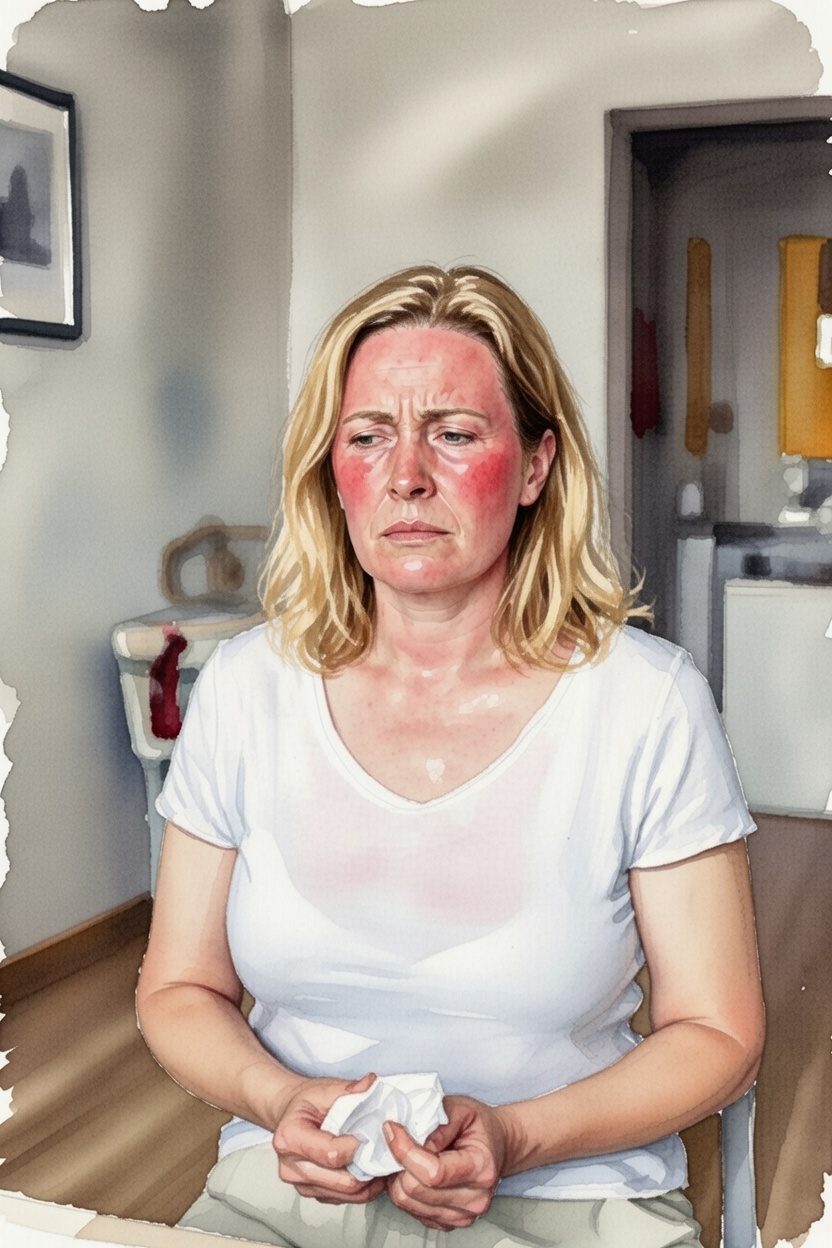
If you are a woman like me, over 50, your circadian rhythms are often more fragile due to menopause, leading to amplified effects on sleep, energy, and health. If you can’t sleep, and it is affecting your ability to function or enjoy this amazing time in life, be proactive. Consult a doctor for personalized strategies, like hormone therapy or light therapy, to help you get back to the peaceful rest you deserve.



Leave a comment